


 موقع وجه أفريقيا موقع وجه أفريقيا هو موقع مهتم بمتابعة التطورات في القارة الأفريقية
Related Articles



By- Reda Helal:
Climate litigation is rapidly transforming global energy governance, with courts increasingly defining the rules of climate action rather than governments alone.
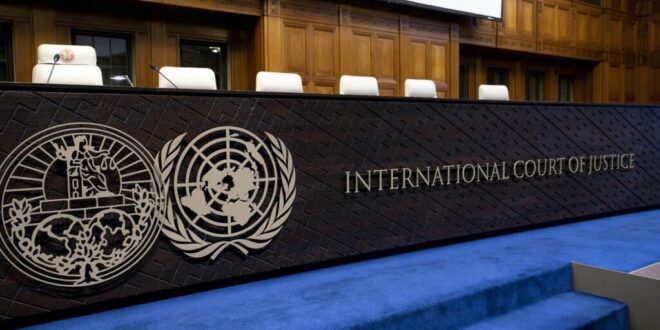
Institutions such as the International Court of Justice and the International Tribunal for the Law of the Sea are shaping legal interpretations that influence emissions regulation, project approvals, and natural resource management.
Africa’s Unique Challenge
Although Africa contributes less than 4% of global emissions, it faces mounting pressure to comply with externally shaped legal standards—potentially impacting:
• Industrialization
• Energy access
• Investment flows
African Legal Response
The African Energy Chamber has moved to intervene before the African Court on Human and Peoples’ Rights, seeking amicus curiae status in a case initiated by the Pan African Lawyers Union to define climate obligations under African law.
Legal Precedents Expanding Climate Obligations
Key rulings such as:
• Social and Economic Rights Action Center v. Nigeria
• Ivorian League of Human Rights v. Côte d’Ivoire
have established environmental protection as an enforceable legal duty, while balancing socioeconomic rights.
Impact on Energy Financing
Legal and reputational risks are reshaping financing:
• Banks and insurers are withdrawing from high-emission projects
• Major projects struggle to reach Final Investment Decision (FID)
• Upstream oil and gas investments are increasingly constrained
Shift in Financing Models
African-led financing solutions are emerging, supported by institutions like the African Export-Import Bank, which has backed large-scale projects such as Nigeria’s Dangote refinery.
Judicial Activism at National Level
In South Africa, the Climate Change Act (2024) aligns domestic and international commitments, while courts are increasingly invalidating projects that fail environmental standards.
Geopolitical Implications
African nations are leveraging legal frameworks to push for:
• Climate finance
• Debt relief
• Technology transfer
However, this also increases scrutiny over domestic energy strategies.
Conclusion
Climate litigation marks a shift from political negotiation to legal enforcement. Africa must either actively shape emerging legal frameworks or adapt to standards defined elsewhere—making legal participation essential for safeguarding both development and energy security.
